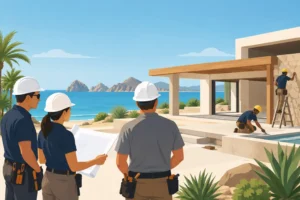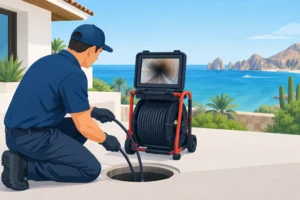
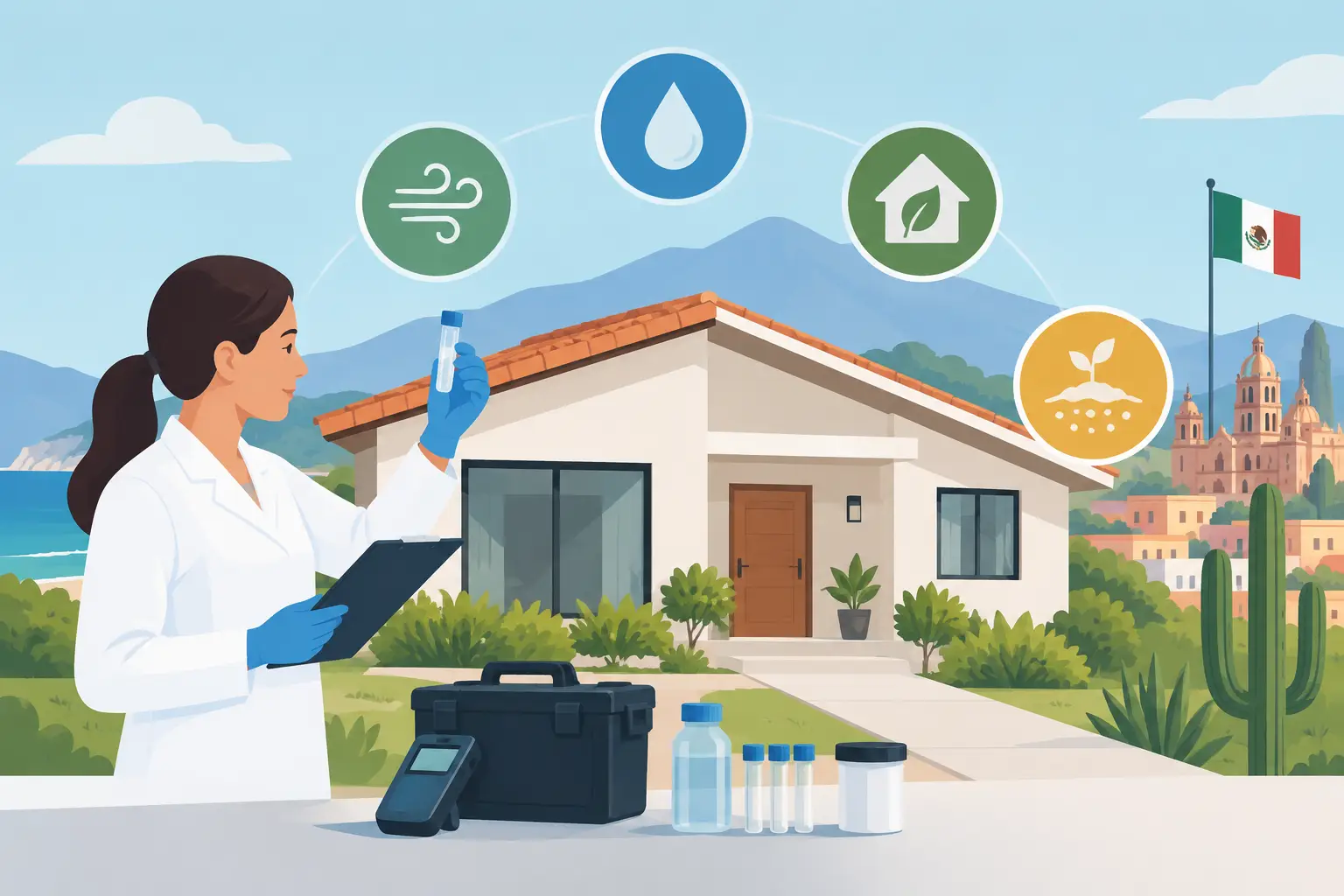
A beautiful Los Cabos property can have the ocean view, location, and architectural potential you want, yet still carry hidden conditions that affect health, renovation scope, and long-term value. Environmental testing for homes in Mexico gives buyers and owners a clearer picture before they close on a property, begin demolition, or commit to a major custom build.
For U.S. and Canadian owners, the goal is not to test everything imaginable. It is to identify the conditions that are relevant to the property, its age, its water systems, its site, and the work being planned. A targeted testing plan can prevent an expensive surprise after construction has started.
When Environmental Testing Makes Sense
Testing is most valuable when it supports a real decision. A buyer considering an older home in Cabo San Lucas may need different information than an owner building a new residence in Puerto Los Cabos, Palmilla, Querencia, Chileno Bay, Pedregal, Diamante, Campestre, or the East Cape.
It is wise to consider testing before purchasing a resale home, especially if there are visible signs of moisture, staining, prior leaks, deteriorated finishes, or unclear maintenance records. Testing can also be appropriate before a substantial remodel, where opening walls, replacing flooring, altering plumbing, or demolishing older materials could expose hidden issues.
For vacant land and new construction, site conditions and water planning usually matter more than testing existing building materials. The right approach depends on whether the property will use municipal supply, trucked water, desalinated water, a cistern, filtration equipment, or another system. A professional review of drainage, grading, and surrounding conditions should be part of early design and engineering coordination as well.
Environmental Testing for Homes in Mexico: What to Prioritize
A practical evaluation usually begins with a visual property inspection and a conversation about the home’s history. Test results are more useful when the inspector understands where water enters the home, how the HVAC system operates, whether the residence sits vacant seasonally, and what work has been completed previously.
Water Quality and Storage Systems
Water is often the first priority for Los Cabos homeowners. Even where water is suitable for its intended use, the condition of storage and distribution systems matters. Cisterns, rooftop tanks, pumps, filtration systems, plumbing lines, and point-of-use equipment all require proper installation and maintenance.
Testing may assess microbiological indicators, mineral content, salinity, and other parameters based on the source and how the water will be used. A result should not be viewed in isolation. A qualified team should also inspect the cistern condition, access covers, pump connections, tank cleaning history, filters, and any reverse-osmosis or softening equipment.
The practical question is simple: what does the property need to provide reliable water for drinking, cooking, bathing, irrigation, pool equipment, and appliances? In a luxury home, the answer may involve a coordinated water-treatment and plumbing plan rather than a single filter under the kitchen sink.
Mold, Moisture, and Indoor Air Concerns
Los Cabos is known for dry weather, but moisture problems still occur. Air conditioning, plumbing leaks, roof penetrations, window failures, poorly sealed exterior walls, seasonal vacancy, and storm exposure can all create conditions for mold growth.
Visible mold is not the only concern. A musty odor, recurring discoloration, bubbling paint, warped cabinetry, or unusually humid closets can point to moisture behind finishes. Before ordering air or surface sampling, the source of moisture should be investigated. Testing can help document conditions, but it does not fix the leak, condensation issue, or drainage failure that caused the problem.
For a remodel, this distinction matters. Removing damaged drywall or cabinetry without correcting the source can lead to repeat work. A well-managed remediation scope includes containment where needed, removal of affected materials, drying, repair of the underlying defect, and verification before new finishes are installed.
Older Materials: Lead, Asbestos, and Other Renovation Risks
The age and construction history of a home should guide material testing. If a property has been renovated several times, the finishes behind a wall or under a floor may not match the visible age of the residence. Older coatings, adhesives, textured materials, pipe insulation, roofing components, and flooring products may require evaluation before demolition.
Testing for lead-containing paint or asbestos-containing materials is particularly relevant when workers may disturb suspect materials. The proper response depends on the material, its condition, the planned scope of work, and laboratory results. There is no value in creating unnecessary concern, but there is real value in identifying a risk before crews begin cutting, sanding, or removing materials.
An organized contractor will build confirmed findings into the renovation plan, including work sequencing, protection measures, debris handling, and budget allowances. That is much better than stopping a project midstream because an unknown material was uncovered.
Soil, Drainage, and Site Conditions
For custom homes, soil and site evaluation are part of responsible pre-construction planning. This is not only an environmental question. It affects engineering, foundation design, drainage, retaining structures, landscaping, and how the home performs during heavy rain.
A coastal or hillside site may require special attention to runoff paths, erosion potential, fill conditions, and the relationship between the home, pool, terraces, and surrounding grades. If a site has a known prior use that raises concern, additional environmental sampling may be appropriate. Otherwise, a geotechnical and engineering-led review is often the more relevant first step for a new build.
Choose Testing Based on Evidence, Not Fear
Environmental testing should be specific and purposeful. Broad, unfocused testing panels can add cost without producing actionable information. On the other hand, skipping evaluation because a property looks clean can leave buyers exposed to avoidable repair costs.
Start with observable facts: water staining, an old roof, a neglected cistern, a history of leaks, unusual odors, aging finishes, past storm damage, or a planned demolition scope. Then select qualified professionals and an appropriate laboratory process for the questions at hand. Ask how samples will be collected, what the results mean, what limitations apply, and what corrective work may follow.
For remote owners, documentation matters. Request photographs, clear sampling locations, laboratory reports where applicable, and a written explanation in plain English. A result without context can be confusing. You need to know whether the finding requires immediate action, routine maintenance, further investigation, or no action at all.
How Testing Fits Into a Los Cabos Build or Remodel
The best time to identify environmental conditions is before design decisions and construction pricing are finalized. During a purchase, testing can support negotiations or help a buyer budget realistically for upgrades. During a remodel, it can shape demolition procedures and protect the construction schedule. During a custom build, early site and water planning can avoid costly changes later.
This is where one accountable team provides real value. Architects, engineers, plumbers, electricians, and construction managers need to work from the same information. A water-treatment recommendation may affect mechanical space, plumbing routing, electrical requirements, cabinetry, and maintenance access. A moisture repair may involve roofing, waterproofing, exterior finishes, HVAC, and interior restoration.
Custom Homes Mexico approaches these issues as part of the complete project, not as an isolated checklist. With in-house trades and coordinated project oversight, the team can help owners connect inspection findings to a practical construction plan that meets U.S. and Canadian expectations for quality, communication, and accountability.
A Better Question to Ask Before You Buy or Build
Instead of asking whether a property needs every possible environmental test, ask what conditions could affect your family, your investment, or your planned work. That question leads to a smarter scope, better documentation, and fewer surprises once the project is underway.
A Los Cabos home should be a place to enjoy, not a project filled with unanswered questions. Targeted testing, competent interpretation, and a contractor who can carry the solution through to completion offer the confidence to move forward on time and on budget.