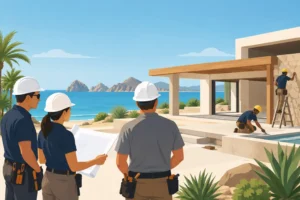
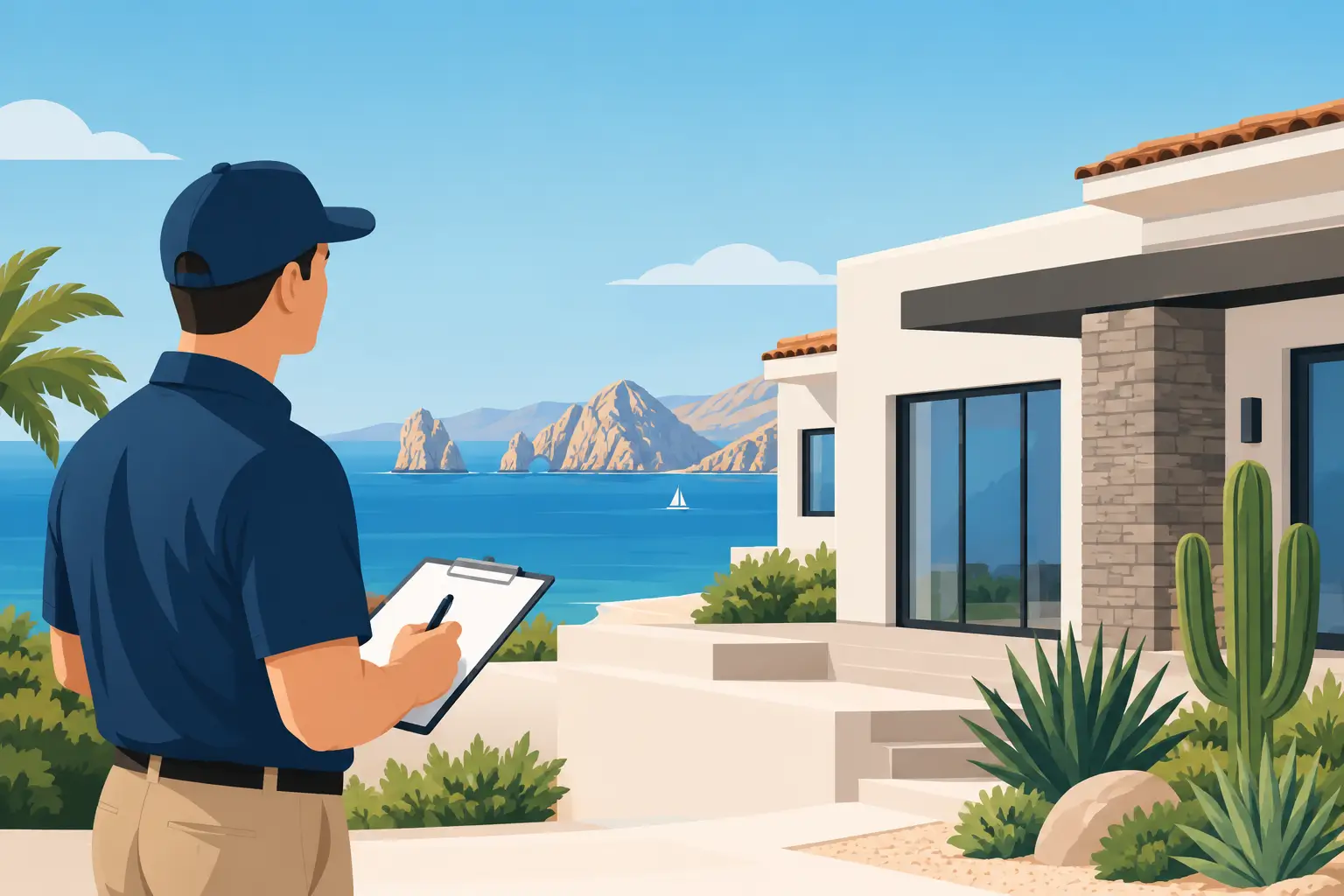
An ocean view can make almost any property feel like the right purchase. But in Los Cabos, the details behind the walls, under the roof, and around the site matter just as much as the view. A thorough home inspection Los Cabos buyers can trust is not a quick walk-through with a checklist. It is a practical review of how the home has been built, how it is performing in a demanding coastal climate, and what may require attention before you close, renovate, or plan a major investment.
For U.S. and Canadian owners, the goal is straightforward: reduce uncertainty. Whether the property is in Palmilla, Puerto Los Cabos, Querencia, Pedregal, Chileno Bay, Diamante, Campestre, or the East Cape, an inspection should give you clear information, honest priorities, and a realistic path forward.
Why a Los Cabos Home Inspection Requires Local Knowledge
Los Cabos homes are exposed to conditions that can accelerate wear in ways buyers may not expect. Salt air affects metals, fixtures, railings, HVAC equipment, and exterior hardware. Intense sun and heat test roofing membranes, sealants, paint, windows, and pool equipment. Seasonal storms reveal weak drainage, improperly sealed openings, and areas where water is not being directed away from the structure.
That does not mean every coastal home has serious problems. It does mean an inspector must understand what normal aging looks like here and what signals a larger construction or maintenance issue. A small crack in stucco may be cosmetic, while a recurring crack near a structural opening can warrant further review. Surface corrosion on an exterior component may be expected, but corrosion at critical connections, electrical panels, or pool equipment deserves attention.
Construction practices also vary from one property to another. Some homes were designed and built with strong engineering coordination and disciplined trade work. Others have been altered over time by separate contractors, sometimes without a complete plan for waterproofing, electrical capacity, drainage, or code compliance. A good inspection looks at the house as a connected system rather than a collection of isolated repairs.
What a Complete Home Inspection in Los Cabos Should Cover
A meaningful inspection begins with the building envelope. The roof, exterior walls, windows, doors, terraces, waterproofing details, and drainage all work together to protect the home. Water intrusion is one of the most expensive issues to correct after purchase, particularly when it has been allowed to travel behind finishes or into framing, ceiling assemblies, and electrical areas.
Structure, Roof, and Exterior Conditions
Inspectors should look for visible signs of settlement, cracking patterns, movement around openings, damaged concrete, failed sealants, and roof drainage concerns. Flat and low-slope roofs are common in Los Cabos and can perform well when properly designed and maintained. The trade-off is that deferred maintenance can turn a small membrane issue or blocked drain into an interior water problem.
Exterior spaces deserve the same level of scrutiny as the interior. Luxury homes in the region often include large terraces, outdoor kitchens, shade structures, glass railings, fire features, and elevated viewing areas. These areas should be evaluated for drainage, secure attachment, corrosion, waterproofing transitions, and safe electrical and gas installations.
Electrical, Plumbing, and Mechanical Systems
A beautiful home can still have undersized electrical service, poorly organized panels, aging wiring, or outdoor connections exposed to moisture. An inspection should identify visible safety concerns, grounding issues, panel labeling, signs of overheating, and whether the electrical system appears capable of supporting the home’s current and planned loads.
This matters if you expect to add solar, electric vehicle charging, new air conditioning zones, a pool heater, upgraded kitchen equipment, or a casita. The right answer is not always to replace everything. Sometimes a targeted upgrade is sufficient. The value of the inspection is understanding what is in place before a remodel or system addition creates avoidable cost.
Plumbing should be reviewed for leaks, water pressure concerns, drainage performance, water-heating equipment, pumps, filtration, and visible pipe condition. In a part-time residence, unnoticed leaks can become costly because the home may sit vacant for extended periods. Ask whether shutoff access is clear and whether the property has a practical plan for monitoring water use when you are away.
Air conditioning and ventilation deserve close attention as well. Los Cabos heat places real demand on mechanical equipment. Inspectors should assess visible condition, installation quality, condensate drainage, signs of corrosion, and the age and service history of major components when available. A unit may still be operating while nearing replacement, which is useful information for negotiating a purchase or planning a renovation budget.
Pools, Site Drainage, and Outdoor Systems
A pool inspection should go beyond water clarity. It should consider visible shell condition, tile and coping, equipment operation, plumbing leaks, pumps, filters, heaters, automation, and electrical safety. Pool problems can be manageable when identified early, but hidden leaks and outdated equipment can materially change the cost of ownership.
The site itself is equally important. Look at grading, retaining walls, stormwater paths, exterior drains, erosion, and any signs that water is collecting near the home. During heavy rain, a poorly planned site can send water toward doors, lower-level rooms, equipment areas, or foundations. Ocean-view lots and hillside properties often have unique drainage and access conditions, so generic assumptions are not enough.
Inspection Findings Need Clear Priorities
Not every finding should stop a purchase. Homes, especially those near the ocean, require ongoing maintenance. The key is separating immediate safety or water-intrusion issues from routine upkeep and future planning items.
A useful report explains the condition, likely consequence, and recommended next step. For example, failed exterior sealant may be a maintenance item if addressed promptly. Evidence of recurring moisture behind a finished wall may require more investigation before closing. An aging air conditioning unit may not be a defect, but it should be reflected in your ownership budget.
Buyers should be cautious of reports that simply list every visible flaw without context. You need to know what affects safety, what affects value, what could worsen quickly, and what can be addressed over time. Clear communication is particularly important when you are reviewing the report from the United States or Canada and cannot return to the property immediately.
When to Schedule an Inspection
The best time is before your purchase commitment becomes difficult to change. Ideally, schedule the inspection during the due diligence period so findings can inform negotiations, repair requests, credits, or your decision to proceed. If the home is newly built, arrange an independent review before final acceptance and again before the builder’s warranty period ends.
Inspections are also valuable before a renovation. Opening walls after construction begins is always more expensive than identifying likely electrical, plumbing, waterproofing, or structural coordination issues during planning. For homeowners preparing to sell, a pre-listing inspection can help resolve preventable objections before a buyer raises them.
If you own a vacant or seasonal residence, periodic inspections can protect the investment between visits. This is especially helpful after a major storm, a long period of high humidity, or extended vacancy.
Choose Accountability, Not Just a Checklist
The most helpful inspection partner can explain what is found and what it means in practical construction terms. If repairs, renovations, or system upgrades are needed, you should have access to a team that understands how the work will be coordinated – from engineering questions and permits to skilled trades, materials, scheduling, and final quality control.
Custom Homes Mexico approaches inspections with that broader building perspective. Our in-house architects, engineers, electricians, plumbers, carpenters, pool technicians, and specialty trades understand how one decision affects the next. That helps owners move from a report to a workable plan with clear scope, accountable communication, and attention to U.S. and Canadian construction expectations.
A property inspection is not meant to remove every unknown from a Los Cabos purchase. It is meant to replace assumptions with facts, so you can enjoy the home you chose with a clear understanding of what it needs and who you can trust to take care of it.