A Los Cabos home can consume serious power long after the sun goes down. Air conditioning, pool equipment, water pumps, exterior lighting, refrigerated wine rooms, and guest casitas all add up. A properly planned solar installation Los Cabos homeowners can depend on is not simply a row of panels on the roof. It is an engineered part of the property that must work with the home’s electrical demand, architecture, utility connection, and coastal environment.
For owners building or upgrading from the United States or Canada, the goal is straightforward: lower operating costs, protect long-term value, and avoid a system that becomes someone else’s problem after installation. That requires clear planning, qualified electrical work, and one accountable team from design through commissioning.
Why Solar Makes Sense in Los Cabos
Los Cabos has the sunshine that makes solar a logical consideration, but solar value is not based on sun exposure alone. The best projects begin with the way a home is actually used. A seasonal two-bedroom condominium, a full-time family residence in Palmilla, and a large villa in Pedregal with a pool, elevator, and multiple cooling zones will have very different load profiles.
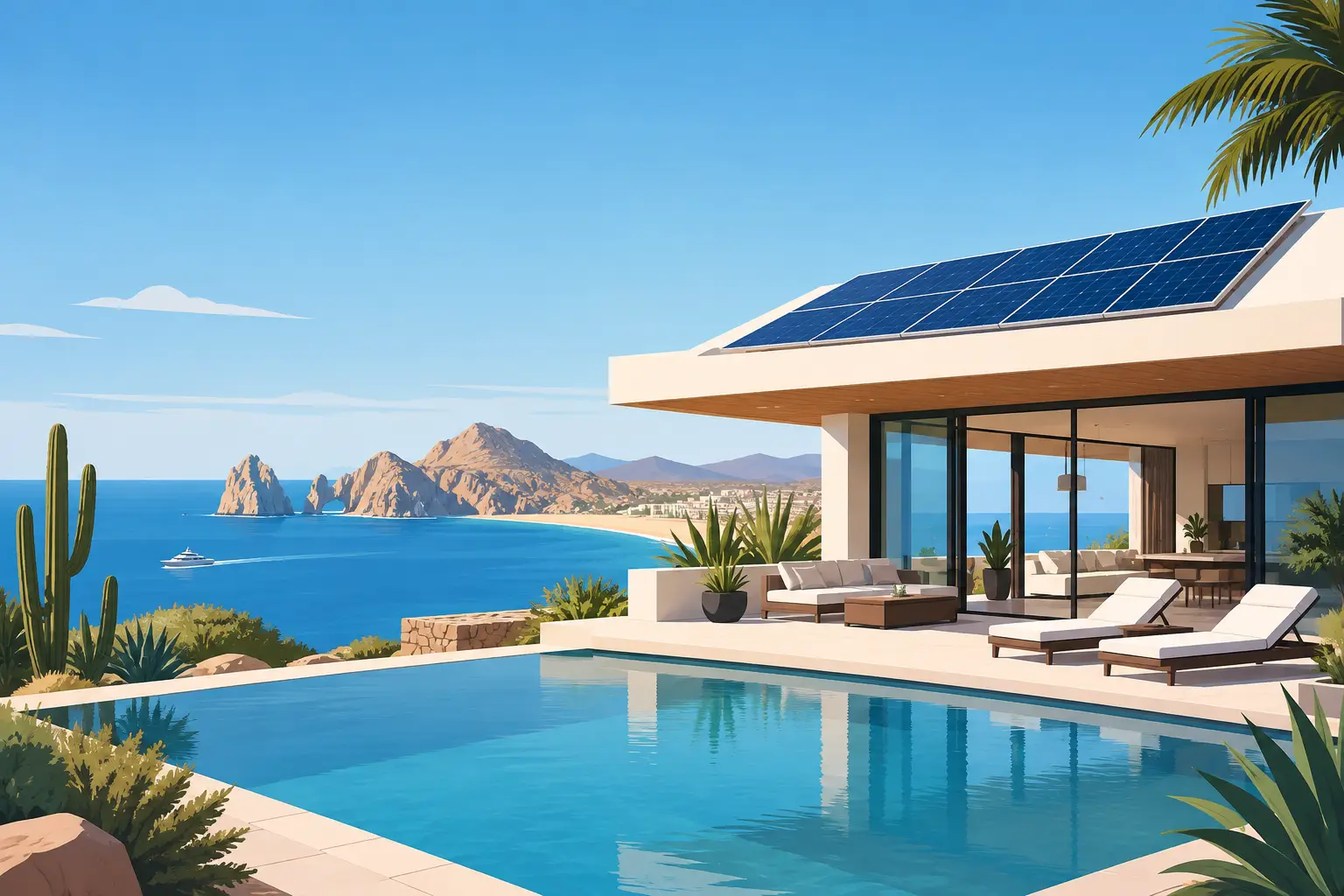
In luxury communities such as Puerto Los Cabos, Querencia, Chileno Bay, Diamante, Campestre, and the East Cape, owners also need to consider design requirements, roof visibility, access routes, and community approval processes. Panel placement should protect both production and the home’s appearance. On a custom residence, the solar array should feel integrated into the design rather than added as an afterthought.
Solar can offset a meaningful share of daytime consumption, particularly when major equipment is scheduled intelligently. Pool circulation, filtration, irrigation pumping, and some cooling loads can often be managed to make better use of solar production. However, no responsible contractor should promise identical savings for every property. Utility rates, household behavior, roof orientation, shade, equipment selection, and future additions all affect the result.
Solar Installation Los Cabos Starts With the Property
A good solar proposal should be based on a site review and electrical evaluation, not a generic system size. Before panels are specified, the installer should understand the existing or planned service capacity, panel location, roof construction, structural requirements, annual energy use, and likely future demand.
For a new custom home, solar planning belongs early in the architectural and engineering process. It is easier to reserve roof areas, plan conduits, locate inverters, and coordinate electrical rooms before finishes are complete. Early coordination also prevents visible surface conduit runs and last-minute compromises that can affect the home’s clean lines.
For an existing home, the review should account for real conditions: roof age, waterproofing details, shading from palms or neighboring structures, available electrical-panel space, and access for maintenance. A system may still be worthwhile on a less-than-perfect roof, but the design needs to acknowledge the trade-offs. Sometimes a smaller, better-positioned array is more practical than filling every available roof section.
Coastal conditions affect equipment decisions
Salt air, heat, wind, and seasonal storms are part of life in Baja California Sur. Equipment selection and installation methods should reflect that reality. Mounting systems, fasteners, wire management, roof penetrations, weatherproof enclosures, and grounding must be selected and installed for a coastal setting.
This is where construction experience matters. Solar work touches roofing, structure, electrical systems, waterproofing, and finish quality. A panel system that produces well but creates a roof leak or leaves exposed conduit across a terrace is not a successful project. The work must protect the building as carefully as it serves the electrical system.
Grid-Tied Solar, Batteries, and Backup Power
Most owners begin by asking whether they need batteries. The answer depends on what they want the system to do.
A grid-tied solar system is designed primarily to reduce energy purchased from the utility. It is often the most direct option for homes with reliable utility service and a focus on reducing ongoing electricity costs. The system produces during daylight hours and operates within the requirements of the local utility connection.
Battery storage adds another layer of capability. It can provide backup power for selected circuits during an outage and can help owners use stored solar energy after sunset. It also increases project cost, requires space for battery equipment, and demands thoughtful load planning. Running essential lighting, internet, refrigeration, security, gates, and selected cooling is very different from backing up every air conditioner, spa heater, and pool system in a large residence.
A hybrid system can be an excellent fit for owners who spend extended periods in Los Cabos, rent a high-end home, or simply want more resilience. But it should be designed around priorities. Define what must remain on during an outage, how long it should run, and which loads can be temporarily managed. That conversation produces a better result than choosing battery capacity based on a brochure.
Design for the Loads That Matter Most
The electrical demand in a Cabo home is often driven by mechanical systems rather than lighting. Cooling equipment, desalination or water-pressure systems, pool pumps, heaters, kitchen appliances, and outdoor entertainment spaces deserve special attention. An energy-efficient home reduces the size and cost of the solar system needed to support it.
During a new build or renovation, solar planning works best alongside decisions about insulation, glazing, shading, HVAC zoning, variable-speed pumps, LED lighting, and smart controls. For example, an oversized air-conditioning system that cycles inefficiently may create an expensive electrical demand that more panels alone will not solve. Improving the home’s performance first can make the solar investment more effective.
Owners should also plan for future loads. An electric vehicle charger, an added casita, expanded outdoor kitchen, or pool redesign can change the electrical picture quickly. Building reasonable capacity into conduits, electrical rooms, and panel space can prevent costly rework later.
What a Well-Managed Installation Looks Like
Solar is a specialized system, but it should not create a fragmented construction experience. The strongest projects have a clear scope, documented equipment plan, coordinated schedule, and a single point of accountability for the work.
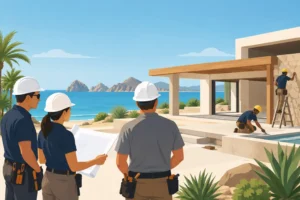
At Custom Homes Mexico, solar engineering and installation can be coordinated with in-house electricians, designers, engineers, and construction trades. That matters when panels, inverters, electrical upgrades, roof work, pool equipment, or renovation activities must all move together. It also gives remote owners a clearer line of communication instead of asking them to manage separate trades from another country.
A professional project generally includes site assessment, system design, structural and electrical coordination, equipment selection, permitting and utility-related requirements where applicable, installation, testing, and owner orientation. The details vary by community and property, but the standard should remain consistent: work that is code-aware, clearly communicated, and finished to the same level as the rest of the home.
Questions worth asking before you sign
Before choosing a solar contractor, ask who performs the electrical and roofing-related work, who is responsible for coordination with the utility and community requirements, and what documentation will be provided at completion. Ask how the system will be monitored, what warranty support looks like locally, and how service calls are handled if you are out of the country.
It is also reasonable to ask for production assumptions and an explanation of what could change them. A transparent contractor will discuss shade, seasonal occupancy, battery limitations, and estimated consumption honestly. Trust – Communication – Value should be visible in the process, not just stated in a proposal.
Plan Solar as Part of the Whole Home
The best time to think about solar is before it becomes urgent. For a new residence, reserve the roof space and electrical infrastructure during design. For an existing property, start with an honest assessment of current loads and the home’s condition before committing to equipment.
A solar system should make ownership in Los Cabos easier, not more complicated. When it is designed around your home, installed with respect for the structure, and supported by a team that stays accountable, it becomes a practical improvement that works quietly in the background while you enjoy the property you came here to own.